Innovation happens when people are free to think, speculate and experiment
Battery Life
Optics
Audio
Battery Life
Optics
Audio
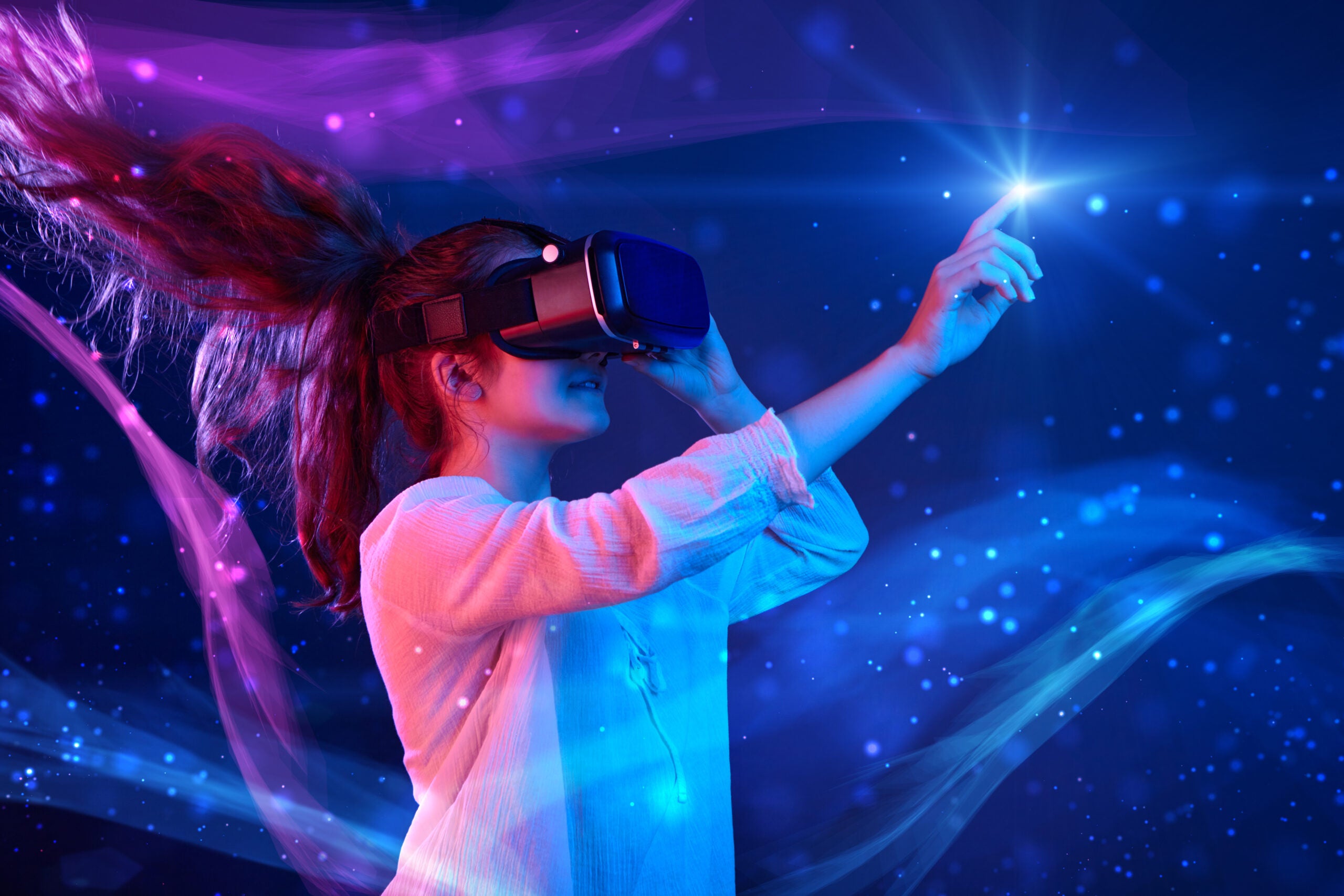
Virtual reality (VR) is a computer application that allows users to experience immersive, three-dimensional visual and audio simulations. According to Pinho (2004), virtual reality is characterized by immersion in the 3D world, interaction with virtual objects, and involvement in exploring the virtual environment. The feasibility of virtual reality in education has been debated due to several obstacles such as affordability of VR software and hardware. The psychological effects of virtual reality are also a negative consideration. However, recent technological progress has made VR more viable and promises new learning models and styles for students. These facets of virtual reality have found applications within the primary education (K-8th grade) sphere in enhancing student learning, increasing engagement, and creating new opportunities for addressing learning preferences.
The video game industry made early attempts at VR in the 1980s, most notably with Mattel's Power Glove and Nintendo's Virtual Boy. With the introduction of the first consumer-ready VR product, the Oculus Rift, in 2013, VR games soon followed, including existing games adapted for the VR hardware, and new games designed directly for VR. While VR hardware and games grew modestly for the remainder of the 2010s, Half-Life: Alyx, a full VR game developed by Valve and released in 2020, was considered the killer application for VR games.
Virtual reality (VR) is a computer application which allows users to experience immersive, three-dimensional visual and audio simulations. According to Pinho (2004), virtual reality is characterized by immersion in the 3D world, interaction with virtual objects, and involvement in exploring the virtual environment. The feasibility of virtual reality in education has been debated due to several obstacles such as the affordability of VR software and hardware. The psychological effects of virtual reality are also a negative consideration.
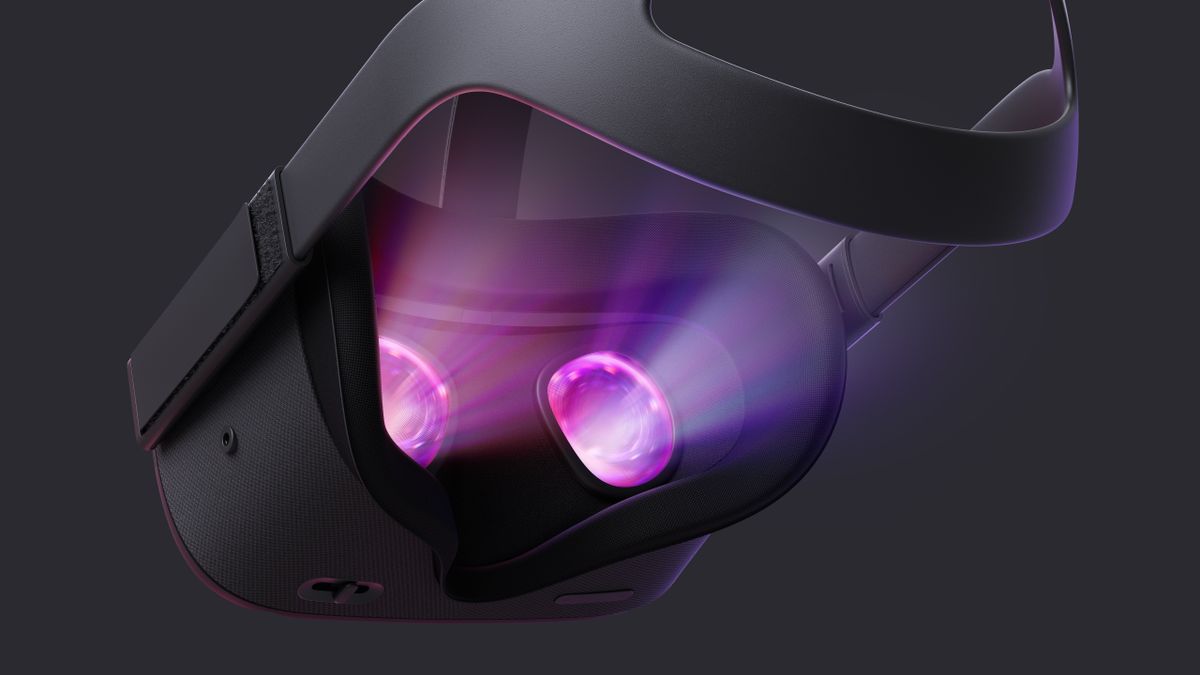
Currently, standard virtual reality systems use either virtual reality headsets or multi-projected environments to generate some realistic images, sounds, and other sensations that simulate a user's physical presence in a virtual environment. A person using virtual reality equipment is able to look around the artificial world, move around in it, and interact with virtual features or items. The effect is commonly created by VR headsets consisting of a head-mounted display with a small screen in front of the eyes.